7 Effective Employee Onboarding Strategies for Indian Companies in 2026
Authored by PERSOL Team- India, Content Team, India • 13 min read


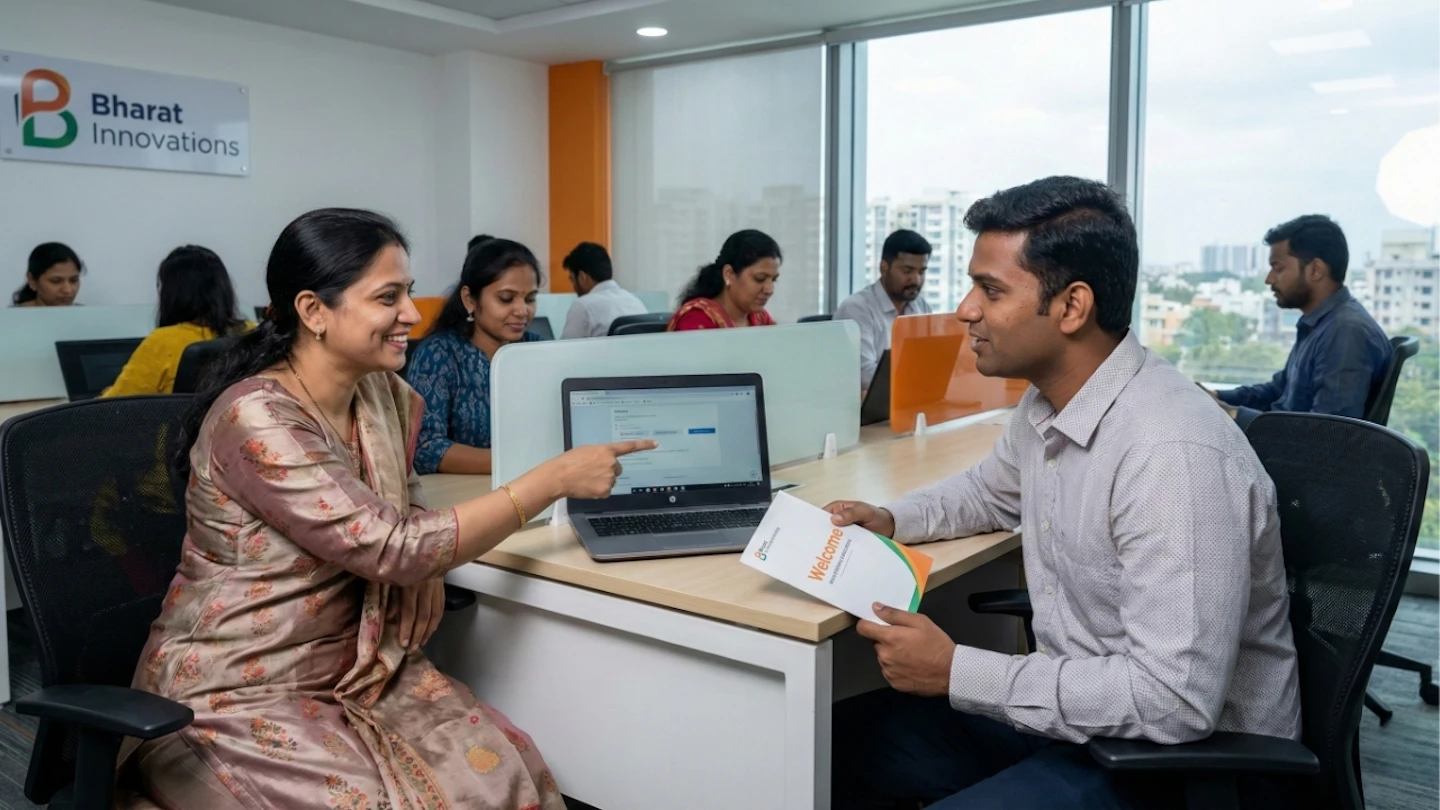
45% of new hires in Indian companies leave within the first 18 months, according to a 2024 NASSCOM report. The primary reason? Poor employee onboarding process and ineffective new hire onboarding experiences.
Consider Anjali's story. She joined a mid-sized IT company in Bangalore with excitement and enthusiasm. On her first day, she found no laptop, no desk, and no clear reporting structure. Her manager was busy in meetings. HR handed her a 50-page employee handbook during her employee orientation and told her to "figure things out." By week three, she'd already started interviewing elsewhere.
Anjali's experience isn't unique. Across Indian companies, from startups to enterprises, the new hire onboarding, employee induction, and new employee integration processes remain fragmented, outdated, and ineffective. Yet the cost of this failure is staggering: poor employee onboarding process costs Indian companies an estimated Rs. 2 crore annually in lost productivity and turnover.
As we enter 2026, Indian companies face a critical choice. Either they transform their employee orientation program, new hire training, and staff onboarding into strategic competitive advantages, or they continue losing talent to competitors who understand the importance of proper new employee orientation and employee assimilation.
This article outlines seven proven strategies that Indian companies are using right now to revolutionize their approach to employee onboarding process, new hire integration, and organizational onboarding to build stronger, more engaged teams.
Why the Employee Onboarding Process Matters More Than Ever
The employee onboarding process is no longer just an HR administrative task. It's a strategic business function that directly impacts retention, productivity, and company culture. Similarly, new hire onboarding, employee induction, and new employee integration are critical components of organizational success.
Research shows that employees with a structured employee onboarding process and comprehensive new hire training are 69% more likely to stay with the company for at least three years. They're also 23% more productive in their first year. For Indian companies competing for talent in a tight market, this difference in employee assimilation and workplace orientation is existential.
The Indian workforce has changed. Post-pandemic, employees expect seamless experiences, clear communication, and immediate value contribution. A poor employee orientation program or inadequate new employee orientation signals that the company doesn't care. A strong organizational onboarding process and effective employee integration program signal investment in employee success.
Moreover, India's diverse workforce requires culturally sensitive and inclusive new hire integration and employee familiarization processes. A one-size-fits-all approach to staff onboarding and new employee immersion fails when your team spans multiple languages, regions, and professional backgrounds.
Strategy 1: Digital-First Onboarding Infrastructure
The foundation of modern employee onboarding process, new hire onboarding, and employee induction is digital infrastructure.
Indian companies are moving beyond paper-based forms and static PDFs. Leading organizations now use dedicated platforms that automate the employee onboarding process, new employee orientation, and staff onboarding from day one.
These platforms supporting new hire training and employee integration program should include:
Pre-arrival Setup: New hires complete digital forms, consent documents, and background verification before their first day. This eliminates the chaos of paperwork during employee orientation and new employee integration.
Digital Workspace Access: Laptops, email, collaboration tools, and cloud access are provisioned automatically. No more waiting days for IT setup during the new hire onboarding period.
Interactive Orientation Modules: Video-based orientation content addressing workplace orientation, company history, and culture videos are accessible on demand. Employees can watch at their own pace during their new employee orientation program.
Task Management Integration: A clear checklist of onboarding activities for employee assimilation, assigned to relevant departments with deadlines, ensures nothing falls through cracks during new employee immersion.
Mobile-First Design: Given India's mobile-first workforce, the employee onboarding process and new hire integration should work seamlessly on smartphones. Employees in field roles or those without constant desktop access need mobile-friendly new employee orientation and work environment orientation.
Indian companies like Infosys, HCL, and emerging startups are implementing platforms supporting new hire training, employee familiarization, and organization integration training. The investment pays immediate dividends in efficiency and employee satisfaction across the entire employee assimilation process.
Strategy 2: Cultural Integration and Values Alignment
The employee onboarding process and new employee integration are your first opportunities to instill company culture and support employee adaptation program goals.
Many Indian companies treat culture as a poster on the wall. Effective organizations embed it into their new hire onboarding, employee orientation program, and new employee orientation through deliberate, repeated exposure to company values and workplace orientation.
Day One Culture Sessions: Rather than just handing over a handbook during employee induction, conduct interactive sessions where founders or senior leaders discuss company mission, values, and culture. Make it personal, not transactional. This is essential for new employee immersion and employee socialization.
Peer Connection Activities: Organize virtual or in-person meet-and-greets with team members before the first day. This reduces anxiety and builds immediate belonging during new hire integration and team integration process.
Values-Based Scenarios: During the employee orientation program and new employee orientation, present real workplace scenarios and discuss how company values guide decisions. This makes values tangible, not abstract. It's crucial for effective employee assimilation process.
Cultural Mentors: Assign someone beyond the direct manager (ideally someone from the company's founding team or leadership) to guide cultural integration during the new hire onboarding period. This signals that culture matters and supports the organization integration training process.
Inclusive Language: Ensure your employee onboarding process and new employee integration acknowledge India's diversity. Provide materials in regional languages where relevant. Acknowledge different work styles, family situations, and cultural practices. This supports employee acclimatization and new employee acclimation.
Companies like Unacademy and Flipkart have made cultural integration central to their staff onboarding and new hire training, resulting in stronger retention and more aligned teams through effective employee socialization and work environment orientation.
Strategy 3: Mentorship and Buddy Systems
The employee onboarding process and new employee orientation thrive when new hires have consistent human connection. This is fundamental to successful new hire integration and employee adaptation program implementation.
Assigning a buddy (peer mentor) during the new hire onboarding period and employee induction dramatically improves engagement and retention. The buddy isn't the manager; they're a peer who can answer informal questions, help navigate office dynamics, and provide honest perspective during employee familiarization and workplace orientation.
Structured Buddy Programs: Define clear buddy responsibilities during the new employee integration process. Buddies should schedule regular check-ins (daily for the first week, weekly for the first month). They should introduce new hires to team members and explain unwritten cultural norms during employee assimilation and new hire acclimatization.
Buddy Training: Train buddies on effective mentoring during the new hire training period. Many people are uncomfortable in this role. Give them a simple playbook for the employee onboarding process and new employee orientation program.
Cross-Functional Buddies: When possible, assign buddies from different departments during new employee immersion. This exposes new hires to the broader organization during their employee ramp-up and team integration process.
Formal Mentorship: Separately, assign a formal mentor (could be a senior team member) for longer-term career guidance beyond the initial new hire onboarding period. This extends the organization integration training beyond the first 90 days.
This two-tier approach to mentorship ensures that the employee orientation program, new hire integration, and employee assimilation process address both immediate practical needs and longer-term development through effective employee socialization.
Strategy 4: Role-Specific Skill Development
Generic onboarding fails because every role is different. Effective employee onboarding process, new hire training, and employee integration program must address role-specific needs and support employee ramp-up.
Skills Mapping: Before the employee arrives, map the critical skills needed for their role. Break down the new employee orientation and employee induction into modules addressing each skill during the employee assimilation process.
Hands-On Learning: Don't just lecture during the employee orientation program or new employee immersion. During the new hire onboarding period, have new hires work on real (low-stakes) projects immediately. This accelerates learning and builds confidence during employee familiarization and workplace orientation.
Knowledge Base Access: Create searchable, role-specific knowledge bases supporting new employee integration. Developers need API documentation. Sales professionals need product knowledge and pricing during their new hire training. HR needs policy references. Make this easily accessible during the new employee orientation and employee induction process.
Shadowing Programs: Have new hires shadow experienced team members for the first few days during new employee immersion. This provides context and builds relationships during the new hire integration and employee socialization process.
Certification Paths: For roles requiring specific certifications or compliance training, integrate these into the employee onboarding process, new hire training, and organization integration training with clear deadlines and support during the employee acclimatization period.
Indian tech companies have become sophisticated in this approach to staff onboarding, recognizing that a developer's new employee orientation looks entirely different from a salesperson's employee familiarization and workplace orientation.
Strategy 5: Continuous Feedback Mechanisms
The employee onboarding process and new hire onboarding don't end on day 30. They extend through the first 90 days and beyond, supporting ongoing employee adaptation program and new employee immersion goals.
Implement structured feedback touchpoints throughout the new employee integration and employee assimilation process:
Week 1 Check-in: Manager and buddy check in on how the first week of new hire training went during the employee orientation program. Address immediate concerns related to new employee acclimation and workplace orientation.
30-Day Review: Formal feedback session between new hire and manager during the new employee orientation period. Discuss progress on employee ramp-up, challenges, and adjustments needed during the employee familiarization phase.
60-Day Assessment: Peer feedback (from buddies, teammates, cross-functional collaborators) is gathered and shared constructively during the employee assimilation process and team integration process.
90-Day Evaluation: Comprehensive assessment of performance, cultural fit, and readiness for independent work at the conclusion of the new hire integration and employee induction period.
This structured approach to feedback during the employee onboarding process, new hire training, and organization integration training prevents small issues from becoming big problems. It also shows employees that the company is invested in their success through the entire employee socialization and new employee immersion experience.
Strategy 6: Technology-Enabled Compliance and Documentation
Compliance can't be ignored, but it shouldn't dominate the employee onboarding process, new employee orientation, or staff onboarding experience.
Use technology to streamline compliance throughout the new hire onboarding and employee integration program:
Digital Document Management: All contracts, policies, and compliance documents related to employee induction and new employee integration are signed digitally. No more stacks of paper during the employee orientation program or new employee orientation.
Automated Reminders: System sends reminders for required trainings (safety, anti-harassment, data protection) with deadlines during the new hire training and employee assimilation process.
Compliance Tracking: HR has real-time visibility into which employees have completed required training and documentation during the new employee immersion and employee familiarization phases.
Localized Compliance: Given India's complex labor laws varying by state, ensure your employee onboarding process, new hire integration, and workplace orientation include state-specific compliance requirements during the organization integration training.
Language Options: Provide compliance materials in Hindi and regional languages to ensure understanding across your diverse workforce during employee orientation, new employee acclimation, and work environment orientation.
This approach to compliance keeps the employee onboarding process, new hire training, and employee adaptation program moving while ensuring legal requirements are met throughout the new employee integration and employee assimilation process.
Strategy 7: Retention-Focused Engagement Programs
The ultimate measure of effective employee onboarding process, new hire onboarding, and new employee orientation is retention and long-term employee success.
Beyond the first 90 days, implement programs that keep new hires engaged through the employee ramp-up and team integration process:
Career Pathing: During the employee induction and new employee integration, discuss career expectations and potential growth paths. This addresses the "where am I going?" question early in the new hire training and employee familiarization process.
Learning Opportunities: Identify skill gaps during the new employee orientation and employee assimilation process and offer learning resources (courses, certifications, conferences) to address them during the employee adaptation program.
Community Building: Create affinity groups or communities around shared interests during the workplace orientation and new employee immersion. These deepen belonging beyond the immediate team during the employee socialization and staff onboarding experience.
Feedback Culture: Continue the feedback culture established during the new hire integration and organization integration training. Regular check-ins during the employee orientation program prevent disengagement and support the employee assimilation process.
Celebration and Recognition: Acknowledge milestones (first project completed, first month, first quarter) during the new hire onboarding and new employee integration. This reinforces that the employee is valued through the entire employee acclimatization and new employee acclimation journey.
Companies that treat the employee onboarding process, new hire training, and employee integration program as the foundation for long-term engagement see dramatically better retention outcomes across their new employee orientation and employee familiarization initiatives.
Building Stronger Teams Through Better Onboarding
The employee onboarding process, new hire onboarding, and employee induction are where company strategy meets employee experience. They're the foundation of effective new employee integration and employee assimilation.
Indian companies that excel in 2026 won't compete on salary alone. They'll compete on the quality of their employee onboarding process, new employee orientation, and staff onboarding. They'll recognize that the first 90 days of new hire training, employee orientation program, and new employee immersion determine whether a new hire becomes a loyal, productive team member or another statistic in the turnover report.
The seven strategies outlined here aren't theoretical. They're being implemented right now by leading Indian companies across sectors through comprehensive new hire integration, employee familiarization, and organization integration training programs. They work because they address the fundamental human needs: clarity, belonging, capability, and purpose during the entire new employee integration and employee adaptation program journey.
Your employee onboarding process, new employee orientation, and new hire training are either an asset or a liability. If they're driving away talent through poor employee assimilation and workplace orientation, they're costing you millions. If they're creating engaged, productive team members through effective employee socialization and team integration process, they're worth far more than the investment.
The question isn't whether you can afford to improve your employee onboarding process, new hire onboarding, and employee integration program. The question is whether you can afford not to invest in better new employee orientation, employee ramp-up, and new employee acclimation strategies.
Start with one strategy. Measure results. Iterate. Build momentum. By next quarter, your employee onboarding process, new hire training, and new employee integration will be a competitive advantage, not an afterthought.
Your next great hire is waiting. Give them an onboarding experience that makes them want to stay through effective employee assimilation, employee socialization, and workplace orientation that demonstrates your commitment to their success.
Related Articles


How Do I Choose Between Executive Search, Rec...
A Complete Employer Guide


Why GCC Hiring is broken
What HR Leaders at Global Capability Centres need to do differently


India’s Tech Talent Gap: What HR Leaders Need...
Discover how AI, GCC growth and digital transformation are reshaping ...


The True Cost of a Vacant Role
Why Indian Companies are rethinking time-to-hire